


Blogg
How to Choose a Collagen Supplement for Your Daily Routine

Collagen supplements are available in many forms, including powders, capsules, tablets and ready-to-mix drinks. With so many options on the market, choosing one can feel overwhelming, especially if you’re new to collagen. Understanding the different types, sources and formats can help you select a supplement that fits your preferences and everyday routine.
This guide explains the key differences between collagen supplements, what the labels mean, and which format may suit different lifestyles. It also covers the role of vitamin C, an important nutrient that contributes to normal collagen formation for the normal function of skin, bones, cartilage, gums, teeth and blood vessels when consumed in sufficient amounts.
What Is Collagen?
Collagen is a naturally occurring protein found throughout the human body. It is a major structural component of connective tissues and is present in skin, cartilage, bones, tendons and blood vessels. It is also widely used in food production and dietary supplements because of its protein composition and versatility.
Collagen supplements are typically produced by breaking larger collagen proteins into smaller peptides through a process called hydrolysis. These hydrolysed collagen peptides dissolve more easily in liquids and are commonly used in powders, drinks and capsules.
Different Types of Collagen
You will often see collagen products mentioning specific collagen types. While many supplements contain a combination of collagen peptides, understanding these classifications makes comparing products easier.
Type I Collagen
Type I collagen is the most abundant collagen type in the body. It is commonly sourced from bovine or marine raw materials and is frequently used in food supplements.
Type II Collagen
Type II collagen is primarily associated with cartilage and is often sourced from chicken cartilage. Some supplements contain hydrolysed type II collagen, while others use undenatured type II collagen.
Type III Collagen
Type III collagen is commonly found alongside type I collagen in connective tissues. Many bovine collagen supplements naturally provide both types.
Marine vs Bovine Collagen
One of the first choices shoppers encounter is whether to select marine collagen or bovine collagen. Both provide collagen peptides, but they differ in their source.
Marine Collagen
- Sourced from fish.
- Often available as powders or capsules.
- A suitable option for people who prefer marine-derived ingredients.
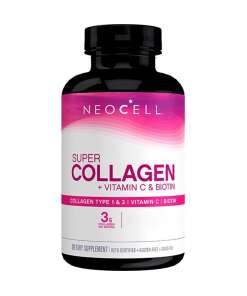
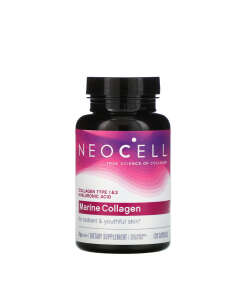
For those looking for a capsule format, NeoCell Marine Collagen offers collagen in an easy-to-take daily serving.
If you prefer a flavoured powder that mixes into water, ALLNUTRITION Collagen Beauty Fish Strawberry is another marine-based option.
Bovine Collagen
- Sourced from cattle.
- Often contains type I and type III collagen.
- Available as powders, tablets and capsules.
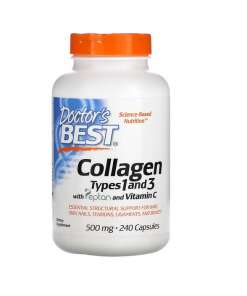
An example is Doctor’s Best Collagen Types 1 and 3 with Peptan and Vitamin C, which combines hydrolysed collagen with vitamin C.
Choosing the Right Supplement Format
The best collagen supplement is often the one that fits naturally into your routine. Different formats offer different practical advantages.
Collagen Powders
Powders are among the most popular options because they can be mixed into water, smoothies, yoghurt or other foods. They also make it easy to adjust serving sizes according to the manufacturer’s instructions.
Examples include:
- Osavi Collagen for Joints & Bones
- Osavi Collagen Beauty Sport by Magda Linette
- ALLNUTRITION Collagen Beauty Fish Strawberry
Capsules and Tablets
Capsules and tablets require no mixing and are easy to include in a daily supplement routine, whether at home or while travelling.
Some people prefer capsules because they provide pre-measured servings and can be carried conveniently throughout the day.
Options include:
Why Vitamin C Is Often Included
Many collagen supplements include vitamin C alongside collagen peptides. This is because vitamin C has authorised health claims within the European Union relating to collagen formation.
According to the EU Register of Nutrition and Health Claims, vitamin C contributes to normal collagen formation for the normal function of skin, bones, cartilage, gums, teeth and blood vessels, provided the product meets the conditions for using the claim.
For this reason, you may notice vitamin C included in products such as Doctor’s Best Collagen Types 1 and 3 with Peptan and Vitamin C. The authorised physiological claim applies specifically to the vitamin C in qualifying amounts, rather than to collagen itself.
What to Look for on the Label
Reading the product label carefully can make it easier to compare collagen supplements. Manufacturers often provide details about the collagen source, serving size and any additional nutrients included in the formula.
Collagen Source
The label should clearly state whether the collagen is marine, bovine, chicken or another source. This can be useful for personal dietary preferences or lifestyle choices.
Serving Size
Compare products using the recommended daily serving rather than simply looking at the total weight of the container. This gives a better indication of how long the product will last when used according to the manufacturer’s directions.
Additional Ingredients
Some collagen supplements contain only collagen peptides, while others include ingredients such as vitamin C, minerals or flavourings. Consider whether you prefer a simple formula or a more comprehensive blend.
Finding a Supplement That Fits Your Routine
There is no single collagen supplement that suits everyone. Your daily habits, preferred supplement format and dietary preferences all play a role in choosing a product you’ll enjoy using consistently.
If you regularly prepare smoothies or protein shakes, a collagen powder may fit naturally into your routine. If convenience is your priority, capsules or tablets may be easier to take whether you’re at home, at work or travelling.
Many people also consider factors such as flavour, serving size, ingredient list and packaging when comparing products. Reading the manufacturer’s directions can help you understand how each product is intended to be used.
Comparing Popular Collagen Options
Eco Supplements offers a variety of collagen products to suit different preferences and lifestyles. Depending on the format you’re looking for, you may wish to explore:
- Osavi Collagen for Joints & Bones – collagen powder.
- Osavi Collagen Beauty Sport by Magda Linette – powdered collagen formula.
- Doctor’s Best Collagen Types 1 and 3 with Peptan and Vitamin C – tablet format.
- NeoCell Marine Collagen – marine collagen capsules.
- ALLDEYNN Collagen Capsules – capsule format.
- ALLNUTRITION Collagen Beauty Fish Strawberry – flavoured marine collagen powder.
Comparing several options side by side allows you to choose a product that best matches your preferred format, ingredient profile and everyday routine.
Frequently Asked Questions
What is the difference between marine and bovine collagen?
Marine collagen is sourced from fish, while bovine collagen is sourced from cattle. Both are available in powders, capsules and other supplement formats.
Is powder or capsules better?
Neither format is inherently better. Powders can easily be mixed into drinks or foods, while capsules and tablets offer convenience and pre-measured servings.
Why do some collagen supplements contain vitamin C?
Vitamin C is frequently included because it contributes to normal collagen formation for the normal function of skin, bones, cartilage, gums, teeth and blood vessels when present in sufficient amounts. This authorised health claim applies to vitamin C, not to collagen itself.
Can collagen supplements be taken every day?
Always follow the manufacturer’s recommended daily serving and usage instructions provided on the product label.
How should collagen supplements be stored?
Storage recommendations vary by product. Follow the instructions on the packaging, which typically advise storing the product in a cool, dry place away from direct sunlight.
Conclusion
Choosing a collagen supplement does not have to be complicated. By understanding the different collagen sources, supplement formats and ingredient lists, you can compare products more confidently and select one that fits naturally into your daily routine.
Whether you prefer powders that mix easily into drinks or convenient capsules for use on the go, taking the time to compare labels, serving sizes and additional ingredients can help you make an informed choice.