

Eco Supplements Blog
Berberine: What It Is, Where It Comes From and How Supplements Differ

Berberine is a naturally occurring plant compound found in several botanical species. In supplements, it is usually presented as an extract in capsule, softgel or specialised delivery formats. Because berberine is a botanical ingredient, this guide keeps to factual information only: what it is, where it comes from, how products differ and what to look for on a supplement label.
When comparing berberine supplements, the most useful details are usually the source plant, amount per serving, extract form, capsule or softgel format, and any delivery technology mentioned by the manufacturer.
What Is Berberine?
Berberine is an alkaloid, a type of naturally occurring compound produced by certain plants. It is known for its yellow colour and bitter taste. In supplement manufacturing, berberine is commonly extracted from plant materials such as roots, stems or bark, depending on the botanical source.
You may see berberine listed on labels as berberine, berberine HCl or as part of a named botanical extract. These descriptions refer to the form of the ingredient used in the finished supplement.
Where Does Berberine Come From?
Berberine is found in plants from several botanical families. Commonly discussed sources include Berberis species, such as barberry, as well as other plants traditionally used in different regional herbal practices.
In a supplement context, the exact plant source depends on the manufacturer and the raw material selected. Some labels name the plant species clearly, while others focus on the berberine compound or standardised extract.
Barberry and Berberis Species
Barberry plants belong to the Berberis genus. These shrubs are known for their yellow inner bark and roots, which are associated with the presence of berberine. Barberry has a long history of traditional use in different parts of the world, but in an EU food supplement article this should be understood as cultural and historical context only, not as a health claim.
Other Botanical Sources
Berberine can also be associated with other plant sources used in supplement production. Because raw materials vary, the product label is the best place to confirm which botanical source is used in a specific formula.
Why Berberine Articles Need Careful Wording
Berberine is a botanical ingredient. In the European Union, health claims for botanicals require particular caution. Unless a health claim is authorised in the EU Register of nutrition and health claims, it should not be used in consumer-facing content.
For that reason, this article does not describe berberine as supporting, improving, boosting or helping any body function. Instead, it focuses on neutral comparison points shoppers can use when reading labels and choosing between supplement formats.
How Berberine Supplements Differ
Berberine supplements can look similar at first, but they may differ in several practical ways. These differences can affect how the product fits into a daily routine, how easy it is to take, and how straightforward it is to compare with other formulas.
Amount Per Serving
One of the first things to check is the amount of berberine listed per capsule, softgel or daily serving. Some products show the amount per individual capsule, while others show the total amount per recommended serving.
Always compare products using the serving instructions on the label rather than container size alone. A bottle with more capsules does not always last longer if the suggested serving is higher.
Single-Ingredient vs Complex Formulas
Some berberine supplements are built around berberine alone, while others combine berberine with additional plant extracts or other ingredients. A complex formula may appeal to shoppers who prefer multi-ingredient products, while a simpler formula may be easier to compare ingredient by ingredient.
For example, Swanson Berberine Complex is presented as a complex-style berberine supplement, while Yango Premium Berberine is another capsule option for shoppers comparing berberine formats.
Capsules
Capsules are one of the most common formats for berberine supplements. They are convenient, pre-measured and easy to include in an existing supplement routine. Capsule products may use plant-based capsules or gelatin capsules, so this is worth checking if you follow specific dietary preferences.
Garden of Life Liposomal Berberine Herbal Supplement is an example of a capsule-format product that also highlights a liposomal-style formulation.
Softgels
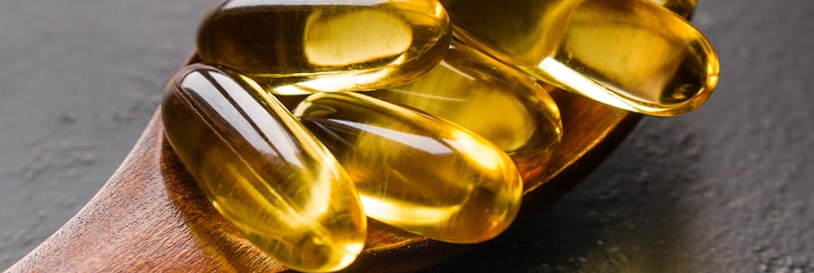
Softgels are another supplement format. They usually contain ingredients in an oil-based or liquid matrix inside a soft outer shell. Some shoppers prefer softgels because they are smooth and simple to swallow.
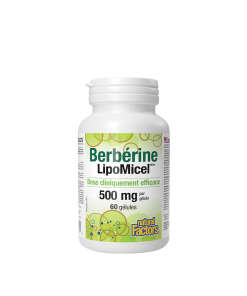
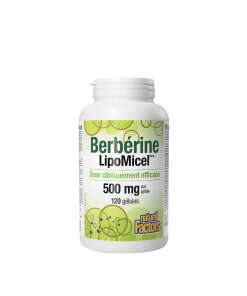
Natural Factors Berberine LipoMicel Matrix is an example of a softgel product using a named delivery matrix.
What Do Liposomal and Matrix Formats Mean?
Some berberine supplements use terms such as liposomal, micelle, matrix or advanced delivery. These terms describe the manufacturer’s chosen formulation technology. They may refer to how the ingredient is combined with fats, phospholipids or other carriers in the finished product.
When reading these labels, it is best to treat the delivery term as a formulation description. Compare the full supplement facts panel, serving size, ingredient list and manufacturer directions before deciding which option fits your routine.
How to Read a Berberine Supplement Label
Taking a few moments to read the supplement label can make comparing products much easier. Manufacturers often present similar information, allowing you to evaluate products side by side.
Ingredient List
Check whether berberine is the primary ingredient or whether it is combined with additional botanical extracts or other ingredients. If several ingredients are included, review the amounts listed for each component.
Serving Recommendations
Always compare products using the manufacturer’s recommended daily serving rather than simply looking at the amount per capsule. This provides a more accurate comparison between products.
Supplement Format
Consider whether you prefer capsules, softgels or another delivery format. Convenience, personal preference and daily routine often influence which option is the most practical.
Manufacturer Information
Reputable manufacturers typically provide clear information about serving size, storage instructions, ingredient sourcing and product specifications. Reading this information can help you understand how the supplement is intended to be used.
Comparing Popular Berberine Supplements
Eco Supplements offers several berberine products with different formulations and delivery formats. Depending on your preferences, you may wish to compare:
- Swanson Berberine Complex – capsule format with a multi-ingredient formula.
- Garden of Life Liposomal Berberine Herbal Supplement – vegan capsules featuring a liposomal-style formulation.
- Yango Premium Berberine – capsule format designed for straightforward ingredient comparison.
- Natural Factors Berberine LipoMicel Matrix – softgel format using a named delivery matrix.
Looking at the ingredient list, serving recommendations and preferred supplement format can help you decide which product best fits your everyday routine.
Frequently Asked Questions
Is berberine a vitamin or a mineral?
No. Berberine is a naturally occurring plant compound (an alkaloid) found in several botanical species.
Where does berberine come from?
Berberine is obtained from various plants, including species within the Berberis genus. The exact botanical source depends on the manufacturer and raw material used.
What is the difference between berberine capsules and softgels?
Capsules typically contain powdered ingredients, while softgels usually contain ingredients suspended in a liquid or oil-based matrix. The choice often comes down to personal preference.
Why do some products mention liposomal or matrix technology?
These terms describe the formulation or delivery technology selected by the manufacturer. They are intended to distinguish the product’s formulation and should be considered alongside the full ingredient list and serving information.
How should berberine supplements be stored?
Always follow the storage instructions printed on the product packaging. Most supplements should be kept in a cool, dry place away from direct sunlight.
Conclusion
Berberine supplements differ in their botanical source, formulation, serving size and delivery format. Understanding these differences makes it easier to compare products and choose one that matches your personal preferences and daily routine.
Whether you prefer a simple capsule, a softgel or a specialised formulation, reading the product label carefully and comparing ingredient information can help you make an informed purchasing decision.