-
×
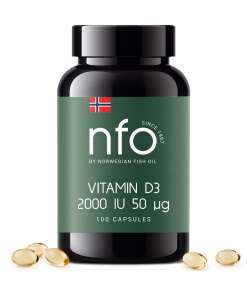 NFO - Vitamin D3 - 2000 IU (100 Capsules)
1 × 20.41€



Eco Supplements Blog
Vitamin D in Autumn and Winter: Why the Season Matters

Vitamin D in Autumn and Winter: Why the Season Matters
As the days become shorter and daylight hours decrease, vitamin D in autumn and winter becomes an important topic for people across Europe. Changes in sunlight exposure, time spent outdoors and seasonal eating habits can all influence how we obtain this nutrient. Understanding the different sources of vitamin D can make it easier to assess your dietary intake during the colder months.
Vitamin D is a fat-soluble vitamin found naturally in certain foods, added to some fortified products and available in dietary supplements. The body can also produce vitamin D when the skin is exposed to suitable sunlight. However, the amount produced varies with the season, geographical location and individual circumstances.
This guide explains the relationship between daylight and vitamin D, common dietary sources, the differences between vitamin D2 and D3, and how to understand supplement labels. It also covers practical considerations when comparing capsules, softgels and liquid formulations.
How Autumn and Winter Affect Vitamin D Production
The connection between sunlight and vitamin D
One characteristic of vitamin D is that the body can produce it through a process involving ultraviolet B (UVB) radiation from sunlight. When UVB reaches exposed skin, it initiates a series of processes that lead to vitamin D production.
During autumn and winter, the sun remains lower in the sky across much of Europe. This changes the amount of UVB radiation reaching the ground. At northern latitudes, winter sunlight may provide very limited opportunities for vitamin D production through the skin.
Seasonal differences are not identical across Europe. Someone living in northern Finland experiences a different winter daylight pattern from someone living in southern Spain. Local geography therefore matters when considering the relationship between sunshine and vitamin D.
Other factors that influence sunlight exposure
The season is only one consideration. Several everyday circumstances can influence exposure to UVB radiation:
- Geographical latitude: Northern and southern European locations experience different seasonal sunlight patterns.
- Time spent indoors: Working or studying inside reduces opportunities for direct sunlight exposure.
- Clothing: Winter clothing generally covers more skin than summer clothing.
- Skin pigmentation: Melanin content influences the process of vitamin D production in the skin.
- Age: The skin’s capacity to produce vitamin D changes with age.
- Time of day and weather: The sun’s angle, cloud cover and atmospheric conditions influence UVB exposure.
Sunlight passing through ordinary window glass is not an equivalent source of UVB exposure, because glass blocks most UVB radiation. Sitting beside a sunny window should therefore not be confused with direct outdoor exposure.
It is also important to continue following normal sun-safety guidance. Prolonged or deliberate exposure to ultraviolet radiation is not a necessary approach to planning vitamin D intake.
What Does Vitamin D Do in the Body?
Vitamin D has several established physiological functions. The European Union maintains an official register of authorised nutrition and health claims that specifies which relationships between nutrients and normal bodily functions may be communicated in commercial information.
Among the authorised claims for vitamin D are:
- Vitamin D contributes to the maintenance of normal bones.
- Vitamin D contributes to the maintenance of normal muscle function.
- Vitamin D contributes to the normal function of the immune system.
These statements refer specifically to vitamin D and its recognised contribution to normal bodily functions. Authorised claims may be used for foods and supplements that meet the applicable conditions, including providing a qualifying amount of the nutrient.
The existence of an authorised claim does not mean that higher quantities automatically produce greater effects. Dietary intake should be considered in the context of a varied and balanced diet and a healthy lifestyle.
Which Foods Contain Vitamin D?
Sunlight is not the only source of vitamin D. A number of foods naturally contain the vitamin, while others have vitamin D added during production. The quantities vary considerably between foods, manufacturers and portion sizes.
Natural dietary sources
Examples of foods containing vitamin D include:
- Oily fish: Salmon, trout, mackerel and sardines contain naturally occurring vitamin D.
- Egg yolks: Eggs contain varying amounts of vitamin D, depending partly on the hens’ diet.
- Fish liver oils: These can contain vitamin D, although their overall vitamin composition should also be considered.
- Certain mushrooms: Mushrooms exposed to ultraviolet light can contain vitamin D2.
Vitamin D-fortified foods
Some foods are fortified with vitamin D. Depending on the country and manufacturer, these may include milk, plant-based drinks, breakfast cereals, margarines and selected dairy alternatives.
Fortification practices differ between European countries, so a product that contains added vitamin D in one market may not have the same composition elsewhere. Checking the nutrition declaration is therefore more reliable than assuming an entire food category contains the vitamin.
For everyday meal planning, practical options include fish served with vegetables and grains, eggs as part of a meal, or breakfast cereals combined with a vitamin D-fortified drink. The actual vitamin D contribution depends on the specific ingredients and portions.
How Much Vitamin D Should You Consider in Autumn and Winter?
Vitamin D intake guidance differs across European countries. National health authorities consider factors such as age, population characteristics and typical sunlight exposure when developing public health recommendations.
The European Food Safety Authority (EFSA) has established an adequate intake of 15 micrograms (µg) per day for healthy individuals older than one year, based on an assumption of minimal vitamin D production through sunlight. This is a dietary reference value, not an instruction for everyone to take a supplement containing 15 µg.
Individual requirements and national recommendations may differ. Before choosing a supplement, it is useful to understand how vitamin D quantities are displayed on product packaging.
Understanding IU and micrograms
Vitamin D amounts are commonly expressed in micrograms (µg) or International Units (IU). Both describe the quantity of the vitamin.
The conversion is straightforward: 1 µg of vitamin D equals 40 IU.
- 400 IU = 10 µg
- 600 IU = 15 µg
- 1,000 IU = 25 µg
- 2,000 IU = 50 µg
- 4,000 IU = 100 µg
These values describe quantities, not recommended daily intakes. For example, a product containing 2,000 IU delivers twice the vitamin D quantity of a product containing 1,000 IU, but that comparison alone does not establish which product is appropriate for an individual.
What does NRV mean on a supplement label?
NRV stands for Nutrient Reference Value. Under EU food information rules, the adult labelling NRV for vitamin D is 5 µg.
Consequently, a supplement containing 25 µg of vitamin D represents 500% of the EU labelling NRV. This percentage is a standardised labelling reference and should not be interpreted as an individual intake recommendation.
Some imported products display a different percentage based on another country’s Daily Value system. When comparing products, the stated quantity in micrograms or IU provides a clearer common reference than the percentage alone.
Vitamin D2 and Vitamin D3: Understanding the Difference
Two commonly encountered forms of vitamin D are vitamin D2 and vitamin D3. Both belong to the vitamin D family but differ in their chemical structure and typical sources.
Vitamin D2 (ergocalciferol)
Vitamin D2 is commonly associated with fungal sources, including yeast and certain mushrooms. It can also be found in fortified foods and selected dietary supplements.
Vitamin D3 (cholecalciferol)
Vitamin D3 is found in certain animal-derived foods and is widely used in dietary supplements. Commercial vitamin D3 may originate from lanolin, a material obtained from sheep’s wool. Vitamin D3 derived from lichen is also available in some formulations.
The source matters particularly for people following vegetarian or vegan diets. A capsule described as vegetable-based does not automatically mean its vitamin D3 ingredient is vegan. Both the vitamin source and capsule shell should be checked.
Rather than selecting a product based only on whether it contains D2 or D3, consider the labelled quantity, ingredient origin, other ingredients and suitability for your dietary preferences.
Choosing a Vitamin D Supplement for Autumn and Winter
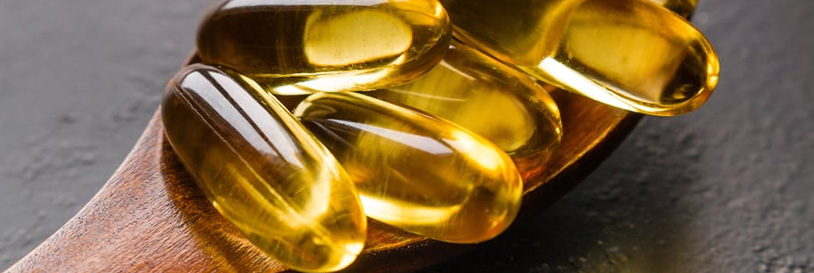
Vitamin D supplements are available in several forms, including capsules, softgels, drops and sprays. Products also differ in vitamin D quantity, number of servings, ingredient composition and packaging.
The following examples illustrate the differences between four vitamin D formulations available at Eco Supplements. They are included to make label comparisons easier, not as individual intake recommendations.
Vitamin D3 capsules: 600 IU
Solgar Vitamin D3 600 IU – 120 Capsules is a capsule-format product labelled with 600 IU, equivalent to 15 µg of vitamin D3.
The listing describes a vegetable cellulose capsule and a pack containing 120 capsules. It provides an example of a vitamin D supplement in a conventional capsule format. Anyone checking suitability for a specific diet should also verify the origin of the vitamin D3 itself.
Vitamin D3 softgels: 1,000 IU
NOW Foods Vitamin D-3 1,000 IU – 180 Softgels contains 25 µg of vitamin D3 per softgel, according to the product listing.
This formulation uses vitamin D3 derived from lanolin and contains oils within a bovine-gelatin softgel. The pack contains 180 softgels. The ingredient information is particularly relevant to anyone avoiding animal-derived capsule materials.
Vitamin D3 softgels: 2,000 IU
NOW Foods Vitamin D-3 2,000 IU – 120 Softgels contains 50 µg of vitamin D3 per softgel.
It uses a similar softgel format, with lanolin-derived vitamin D3 and a bovine-gelatin capsule. The pack contains 120 softgels. Its labelled vitamin D quantity is twice that of the 1,000 IU version, making it important to compare the microgram amounts rather than choosing by pack size alone.
Liquid vitamin D3 combined with vitamin K2
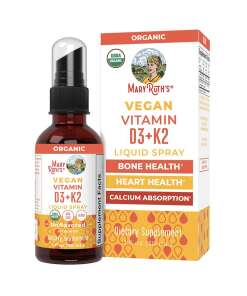
Yango Vitamin D3 + K2 – 30 ml is a liquid formulation containing vitamin D3 and vitamin K2 (menaquinone-7) in a safflower oil base.
The product listing identifies an adult serving of four drops containing 50 µg of vitamin D3 and 22.5 µg of vitamin K2. It also describes a separate eight-drop serving containing 100 µg of vitamin D3 for a specific older age group.
These are product-label quantities rather than general dietary recommendations. The vitamin K2 component should be considered separately from vitamin D3, and the combination should not be assumed to be necessary for everyone. People taking medicines that affect blood clotting should consult a pharmacist or healthcare professional before choosing vitamin K-containing supplements.
How to Read a Vitamin D Supplement Label
A product label contains more useful information than the amount printed prominently on the front of the packaging. When comparing vitamin D supplements, examine the complete ingredient list and nutrition declaration.
Check the following details:
- Quantity per serving: Identify the exact micrograms or IU of vitamin D.
- Serving size: Determine whether the quantity applies to one capsule, several drops or another measured portion.
- Vitamin form: Look for vitamin D2 or vitamin D3 in the ingredient information.
- Other ingredients: Check for additional vitamins, oils, gelatin and other capsule materials.
- Label instructions: Read the manufacturer’s directions, precautions and intended age group.
- Existing products: Account for vitamin D already present in multivitamins and other supplements.
Why total vitamin D intake matters
EFSA has established a tolerable upper intake level of 100 µg per day for adults, equivalent to 4,000 IU. This represents a level of total habitual intake considered unlikely to present adverse effects for most adults. It is not a target or recommended daily amount.
The upper level applies to vitamin D intake from all dietary sources, including supplements. Someone using multiple products should therefore consider the combined quantities rather than each label independently.
Children have different upper intake levels, and products intended for adults should not automatically be considered suitable for younger age groups. Seek appropriate professional guidance when individual circumstances make supplement selection uncertain.
Practical Ways to Plan Vitamin D Intake During the Colder Months
An autumn and winter approach to vitamin D does not need to begin with choosing a supplement. Reviewing everyday food choices, local public health guidance and existing supplement labels can provide a useful starting point.
Consider these practical steps:
- Review your regular meals: Identify which foods in your routine naturally contain vitamin D.
- Check fortified foods: Look for vitamin D in the nutrition declarations of foods you already buy.
- Read national guidance: Consult the public health recommendations relevant to your country and age group.
- Compare product quantities: Convert IU into micrograms when reviewing different formulations.
- Keep track of supplements: Avoid overlooking vitamin D included in multivitamins or combined formulas.
- Follow storage instructions: Keep supplements according to their labels, particularly liquids with specific directions after opening.
Seasonal sunlight patterns make vitamin D a relevant subject during autumn and winter, but not everyone has identical dietary requirements. A supplement’s format, quantity and additional ingredients should be considered alongside individual circumstances and local guidance.
Frequently Asked Questions About Vitamin D in Autumn and Winter
Why is vitamin D discussed more often during autumn and winter?
In many European locations, shorter days and changes in the sun’s angle reduce opportunities for vitamin D production through the skin. This makes dietary vitamin D sources a particularly relevant subject during the colder months. The seasonal pattern depends on geographical latitude and personal sunlight exposure.
Can I obtain vitamin D from food alone?
Vitamin D is present in certain foods, including oily fish, egg yolks and some UV-exposed mushrooms. Fortified foods can provide additional amounts. Whether dietary intake meets applicable recommendations depends on food choices, quantities and individual circumstances.
Is 1,000 IU of vitamin D the same as 25 µg?
Yes. One microgram of vitamin D equals 40 International Units. Therefore, 1,000 IU equals 25 µg, while 2,000 IU equals 50 µg. These are quantity conversions and do not indicate which amount an individual should consume.
Does everyone in Europe need the same vitamin D intake?
No. European countries publish their own public health guidance, and recommendations can differ by age group and other circumstances. EFSA provides dietary reference values that inform national guidance, but these should not be confused with instructions for selecting a particular supplement.
Do I need to combine vitamin D3 with vitamin K2?
Vitamin D3 and vitamin K2 are different vitamins. Some supplements contain vitamin D3 alone, while others combine the two. A combination formulation is not automatically necessary for every consumer. Read the complete ingredient information and consider any medication-related precautions associated with vitamin K.
Are vitamin D drops different from capsules and softgels?
They are different delivery formats. Capsules and softgels contain measured quantities within individual units, while liquid products use drops or another measuring method. The important label details are the quantity per serving, additional ingredients and the manufacturer’s directions.
Can I use more than one vitamin D supplement?
Vitamin D quantities from different supplements should be considered together. For example, a multivitamin may already contain vitamin D, even when another product is marketed specifically around that nutrient. Check the micrograms on each label and keep total intake within applicable guidance.
Should I change my vitamin D routine when spring arrives?
Spring brings changes in daylight, but the timing and extent of those changes vary across Europe. National recommendations, dietary patterns and personal sunlight exposure remain relevant. A calendar date alone does not establish whether someone should start, stop or change a supplement.